Regenera wins 30 year concession to run container ship shore power at the Port of Gijón
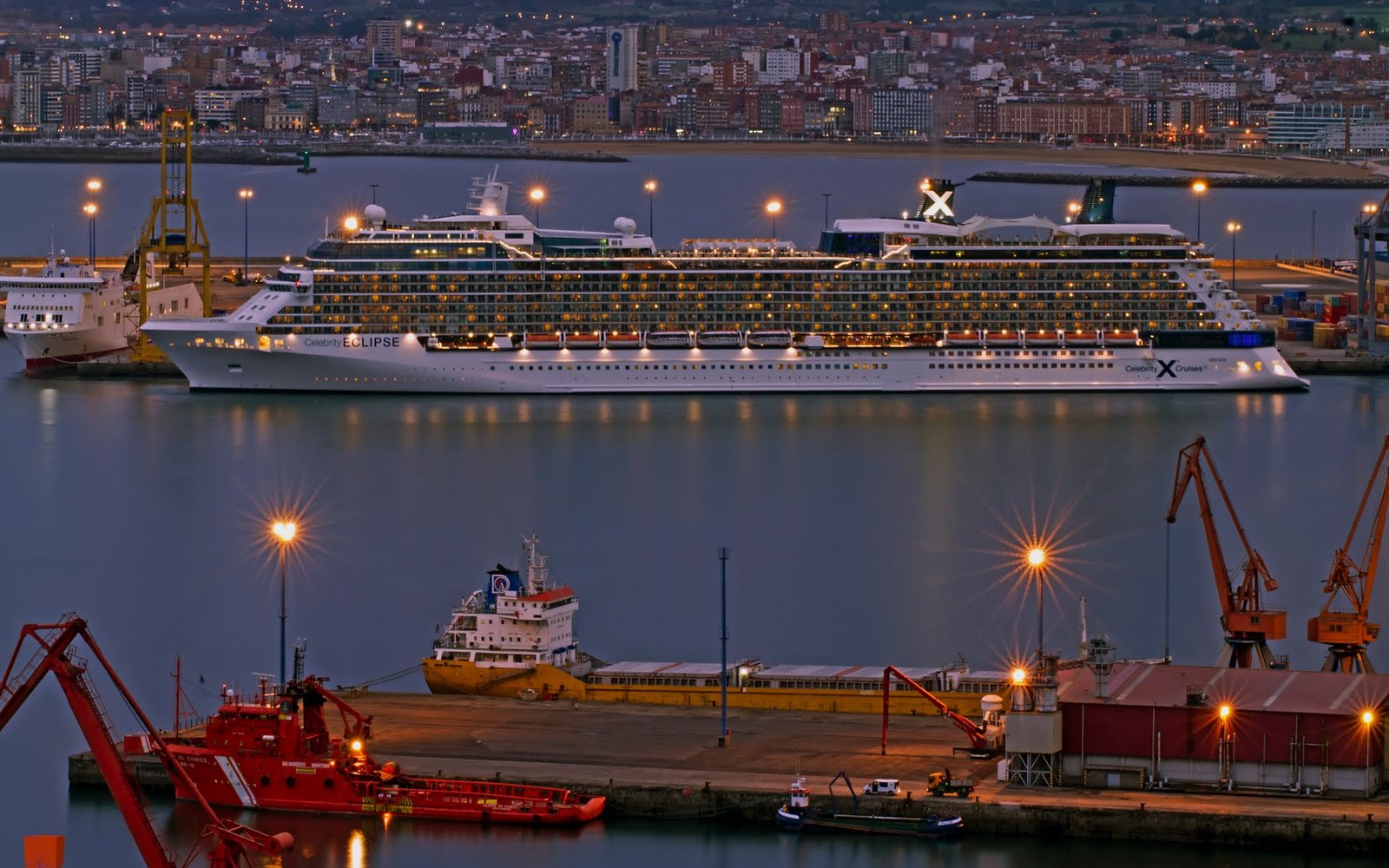
Spanish energy group Regenera has won a 30 year concession to build and operate an onshore power supply (OPS) system for container ships at the Port of Gijón. The system will serve the seventh alignment of Muelle de La Osa at El Musel, the quay where container ships usually berth in the Asturian port.
The project costs €7.79 million. Regenera puts in €4.29 million and the Port Authority of Gijón €3.5 million. DTF's guide to shore power explains how a berth connection of this kind works.
At a glance
| Topic | |
|---|---|
| Concession holder | Regenera OPS Tres S.L. |
| Location | Muelle de La Osa, seventh alignment, El Musel, Gijón |
| Ships | Container ships |
| Term | 30 years, covering construction, operation and maintenance |
| Investment | €7.79 million: €4.29 million Regenera, €3.5 million port authority |
| Model | Public private: the port co invests, Regenera builds the plant and sells power to ships |
| Not yet published | Capacity in MW and the start date of service |
How the concession was awarded
Regenera applied for the space through its project company Regenera OPS Tres. The port authority opened a one month window for competing projects in July 2026, its board resolved that competition in August, and the request then went through public information. The concession was confirmed in November 2026.
The scope covers construction, installation, commissioning, operation and maintenance. Regenera will run the service and supply electricity to the ships, so the port does not have to operate the plant itself.
Part of a wider port push
Gijón has been preparing for container ship shore power for some time. The port secured €2.61 million from the EU's Connecting Europe Facility in 2024 for EALINGWorks Gijonport, a project to supply ships at the container quay with electricity from renewable sources.
Gijón is Regenera's second OPS concession in a northern Spanish port. In A Coruña, its company Regenera OPS Dos is investing more than €10 million in shore power for cruise ships at two quays under a 32 year concession, with service expected during 2027.
The 2030 deadline
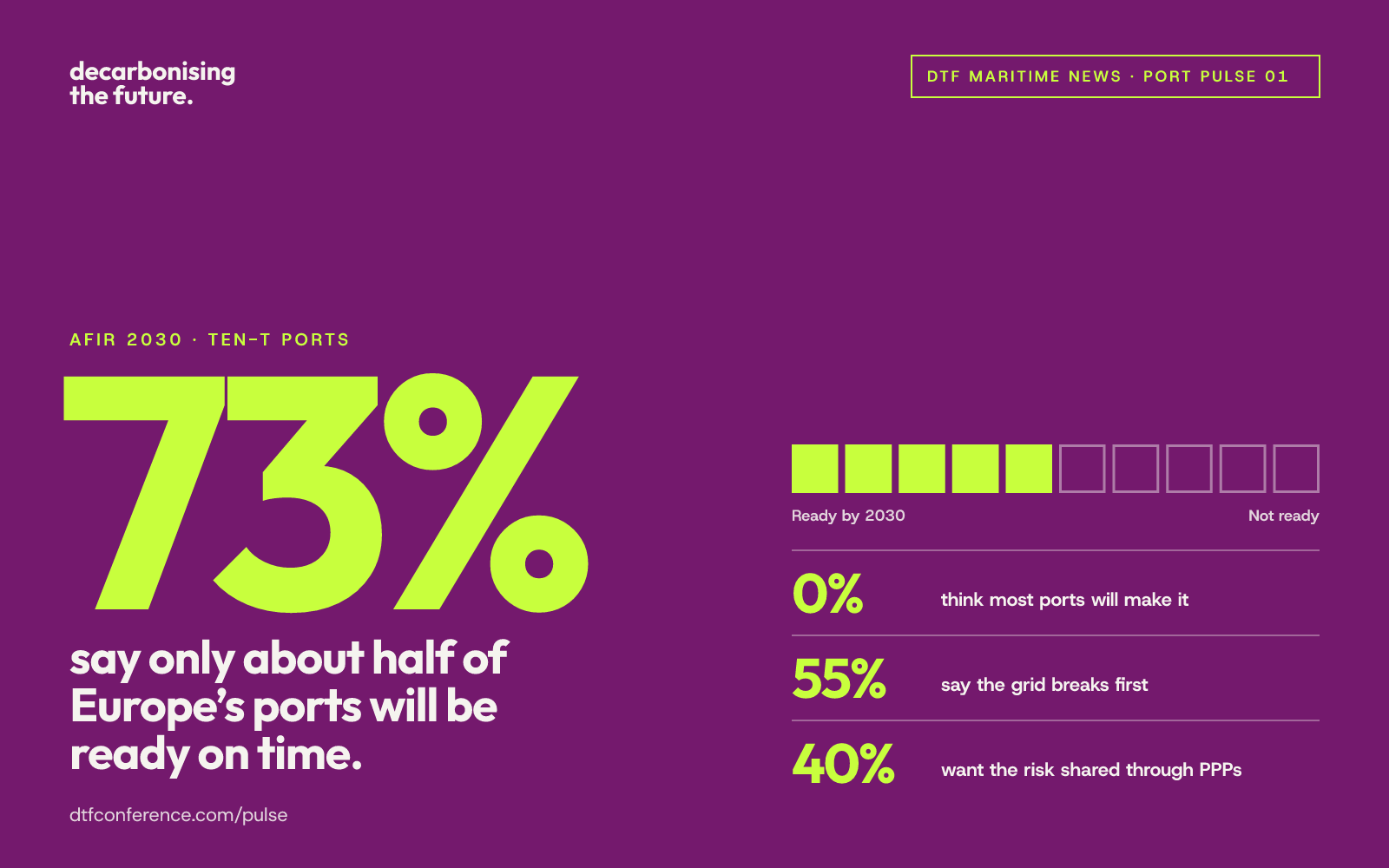
Under AFIR, TEN-T ports with enough container ship calls must offer shore power to container ships above 5,000 GT by the end of 2029. From 1 January 2030, FuelEU Maritime requires those ships to connect at berth in TEN-T ports or use an approved zero emission alternative.
The rules are under review. DTF has covered the AFIR review and the grid connection problem facing ports that must deliver by then.
Why it matters for ports
- A concession lets a port share the cost of shore power and hand the operating risk to a specialist, while keeping the berth ready for 2030.
- A 30 year term gives the operator time to recover its investment from the power it sells to ships.
Spanish port electrification will be on the agenda at DTF Barcelona 2027.
In Gijón, the port pays part of the plug and a private operator runs it for 30 years.