ESPO gives Ansis Zeltiņš a second term as Chair, with Cédric Virciglio and Gerardo Landaluce as Vice Chairs
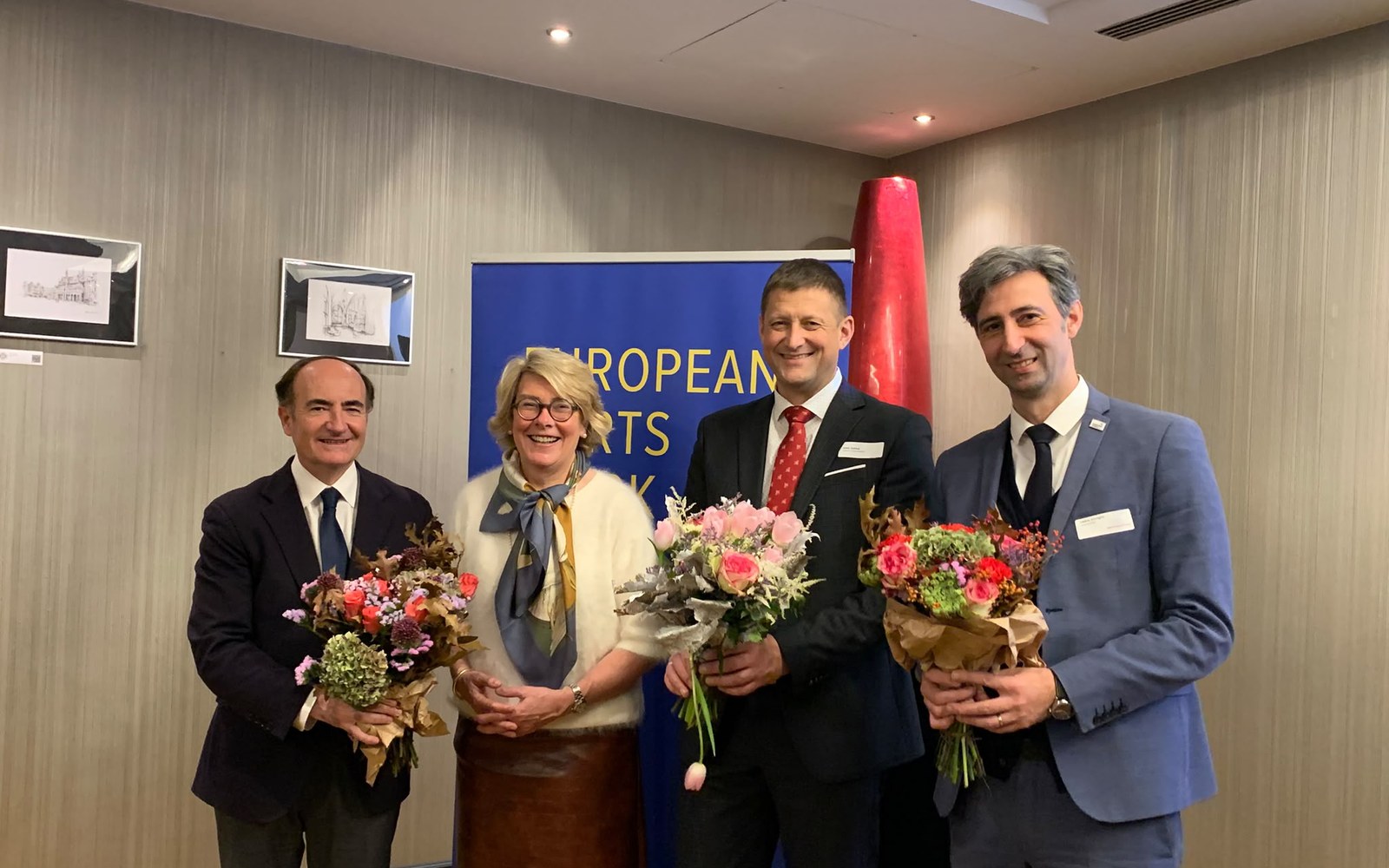
The General Assembly of the European Sea Ports Organisation (ESPO) elected Ansis Zeltiņš as Chair for a second term in Brussels on 10 November 2026. Cédric Virciglio and Gerardo Landaluce were again elected as Vice Chairs. All three begin a second two year mandate covering 2026 to 2028.
ESPO represents the port authorities, port associations and port administrations of Europe's seaports in Brussels. Its next two years coincide with the review of the EU rules that require ports to offer shore power, set out in DTF's report on the AFIR review.
At a glance
| Topic | |
|---|---|
| Vote | ESPO General Assembly, Brussels, 10 November 2026 |
| Chair | Ansis Zeltiņš, Freeport of Riga |
| Vice Chairs | Cédric Virciglio, HAROPA Port; Gerardo Landaluce, Port of Algeciras |
| Mandate | 2026 to 2028, the second for all three |
| New full member | Association of Icelandic Ports |
| Priorities | Competitiveness, sustainability, energy transition, security, resilience |
Who was elected
Zeltiņš is chief executive of the Freeport of Riga and was first elected ESPO Chair in 2024. Landaluce is president of the Port Authority of the Bay of Algeciras and has served as Vice Chair since November 2024. Virciglio comes from HAROPA Port, the port system of the Seine.
The same Assembly took note of the members of the Executive Committee and the Technical Committee for the new term.
Iceland joins as a full member
The Assembly admitted the Association of Icelandic Ports as a full member, after it had been an observer. Its board approved the application unanimously on 29 May 2026, and ESPO's Executive Committee backed it before the vote. Gunnar Tryggvason, chief executive of Faxaflói Ports, will represent Iceland on the Executive Committee.
What the leadership will work on
ESPO says the focus of the outgoing term was port competitiveness, sustainability, the energy transition, security and the resilience of maritime infrastructure, and that these stay on the agenda for 2026 to 2028. It describes its role as the main point of contact in Brussels for all European ports, whatever their location, profile or size.
Energy is where several of those threads meet. Ports face the shore power deadlines in AFIR and FuelEU Maritime from 2030, while grid connections and electricity taxes sit outside their control. At ESPO's annual conference in Gdańsk in May 2026, Landaluce presented the Algeciras port authority's commitment to electrifying its ports.
Why it matters for ports
- The AFIR review, due by 31 December 2026, falls at the start of the new term.
- Continuity at the top gives port authorities a known voice in Brussels on grid access and the tax on shore power.
DTF has covered the grid side in EU shore power and grid connections and the tax question in shore power tax in EU ports. European port policy will be on the agenda at DTF Barcelona 2027.
Europe's ports keep the same leadership for the two years that will shape the 2030 shore power deadline.