COP31: maritime coalition sets 20% electrification goal for shipping by 2035, shore power counted
More than 30 maritime organisations backed a new Maritime Electrification Breakthrough Goal at COP31 in Antalya, Türkiye, on 10 November 2026. The goal is to raise electricity's share of international shipping's final energy demand to at least 20% by 2035, from a share that is close to zero today.
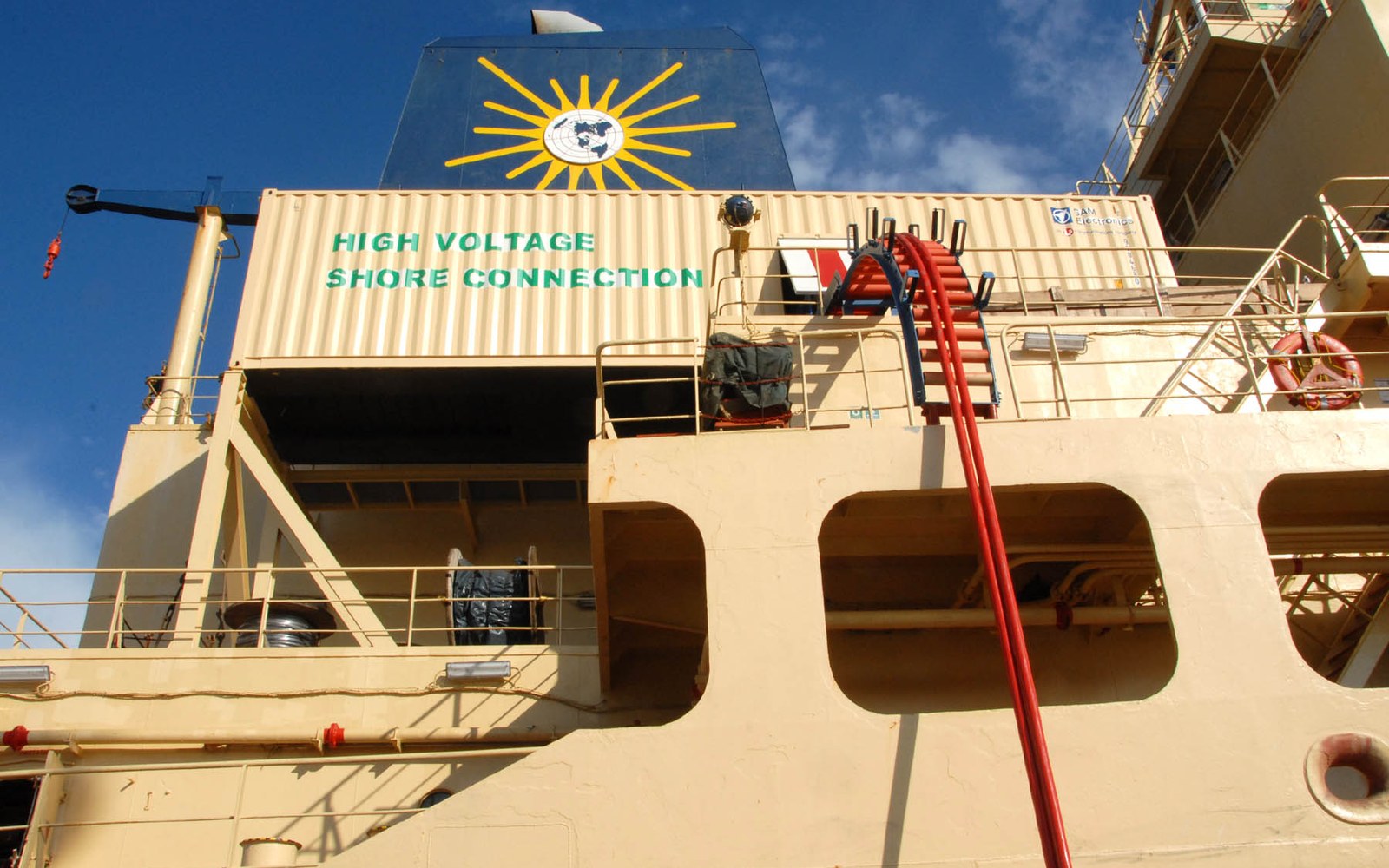
The target counts electricity used directly by vessels and electricity supplied to ships at berth. That puts shore power, set out in DTF's guide to shore power, inside a shipping target launched at the summit.
At a glance
| Topic | |
|---|---|
| Goal | At least 20% of international shipping's final energy demand from electricity by 2035 |
| Launched | 10 November 2026, COP31, Antalya |
| Coordinated by | Environmental Defense Fund and RMI |
| Supporters | More than 30 organisations; those listed include the Port of Long Beach, the Port of Esbjerg, EOPSA, ZEMBA and the Maritime Battery Forum |
| What counts | Electricity used on board, including batteries, and electricity supplied to ships at berth |
| Extra demand | About 2 EJ a year, roughly 556 TWh |
| Wider COP31 aim | 35% of global final energy demand from electricity by 2035 |
What the goal covers
International shipping uses about 10 exajoules of final energy a year, almost all of it fossil fuel burned in combustion engines. A 20% share means adding about 2 EJ of electricity demand a year by 2035, or roughly 556 TWh.
The scope is deliberately narrow. Domestic shipping, port and terminal operations, landside freight and the electricity used to make renewable fuels are all left out. What remains is power used by ships themselves: batteries and hybrid systems at sea and electricity taken from the quay while a ship is alongside.
Coordinators and supporters
The initiative was coordinated by the Environmental Defense Fund and RMI. More than 30 organisations support it. The supporters listed include the Port of Long Beach, the Port of Esbjerg, the European Onshore Power Supply Association (EOPSA), the Zero Emission Maritime Buyers Alliance, the Maritime Battery Forum and the World Resources Institute.
Signatories commit, within their roles, to share data and lessons, join pilots and standards work, help shipping and ports reach finance, and support a just transition for workers. Progress is to be reviewed every year until 2035.
Where shipping starts from
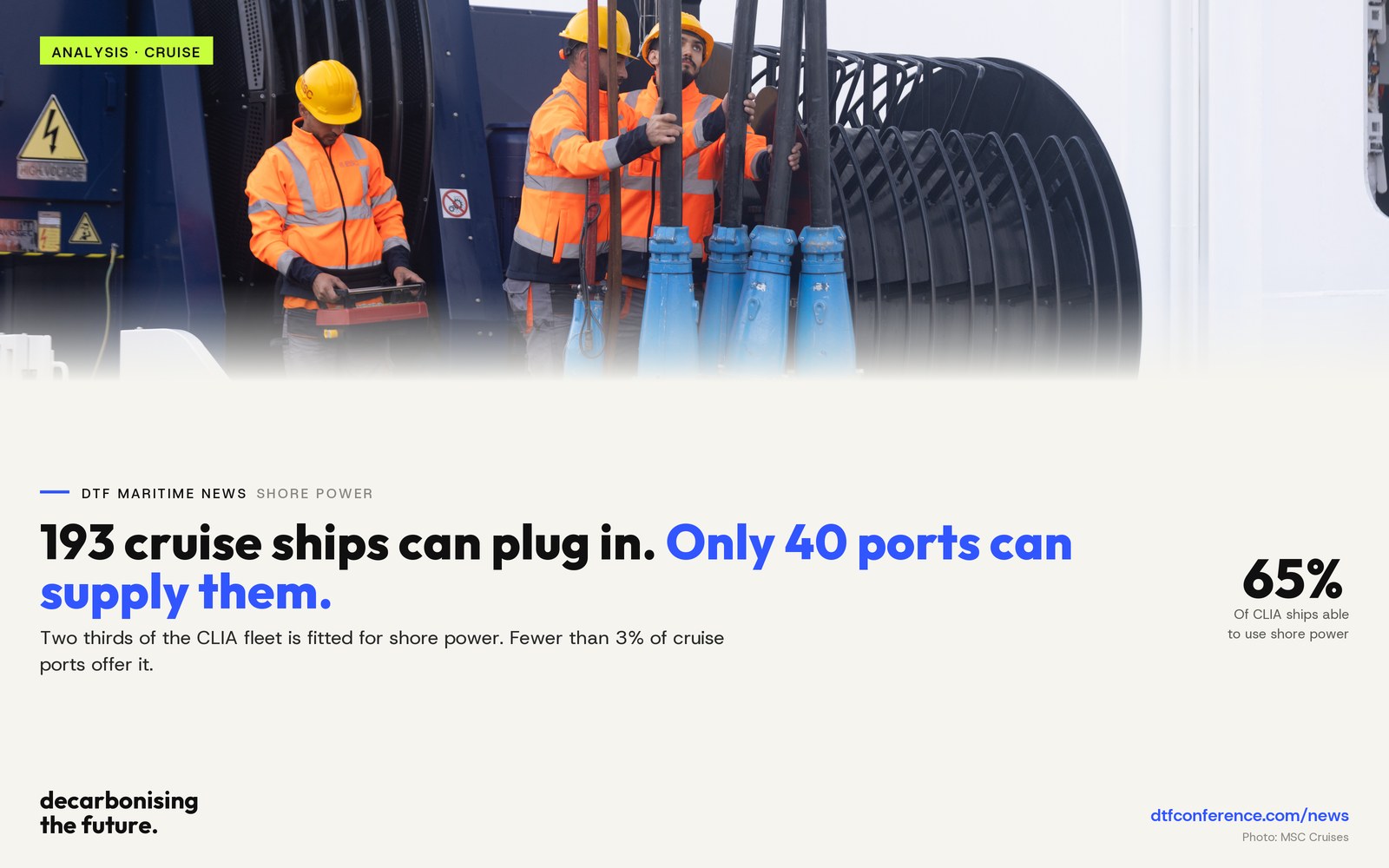
The coalition's paper sets out a low base. Shore power is available at about 3% of cruise ship terminals worldwide, with further connections at some container and bulk terminals in the United States, China and Europe. China is the outlier, with more than 81% of berths across 21 major ports able to supply shore power.
On the water, more than 1,600 battery powered vessels, fully electric and hybrid, are in operation. The paper finds that vessel segments using about 30% of maritime energy could technically be electrified by 2030.
Research from UCL's Shipping and Oceans Research Group, published in August 2026, puts about 10% of international shipping's greenhouse gas emissions inside port areas. For many small island states, the in port share is above 20%.
The wider COP31 push
The shipping goal sits under the COP31 Presidency's wider plan to raise electricity's share of global final energy demand from just over 20% today to 35% by 2035. The IEA is to run a tracking mechanism for that goal. On 9 November, the first day of the summit, the World Meteorological Organization reported that global mean sea level had reached its highest point in the satellite record, which began in 1993.
The coalition asked governments to adopt strong measures at the IMO this year, to include maritime electrification in their national climate plans and to feed it into the second Global Stocktake. Talks on the IMO Net-Zero Framework resume in London later in November.
Why it matters for ports
Because the goal counts power supplied at berth, every shore power connection a port commissions now adds to a target governments can track. The work sits on the quay side: grid connections, tariffs and plugs that match the ships calling.
- Ports can use the goal to support grid capacity requests and funding bids for shore power.
- Annual reviews will need berth level data on connections and energy delivered, which few ports publish today.
The gap between ships fitted for shore power and ports able to supply them is set out in DTF's analysis of cruise lines and shore power, while grid capacity, the main constraint, is covered in EU shore power and grid connections. Both will be on the agenda at DTF Malta 2027.
At COP31, the cable at the quay became part of a climate target.