Curtin's first battery electric tug for Los Angeles and Long Beach starts sea trials
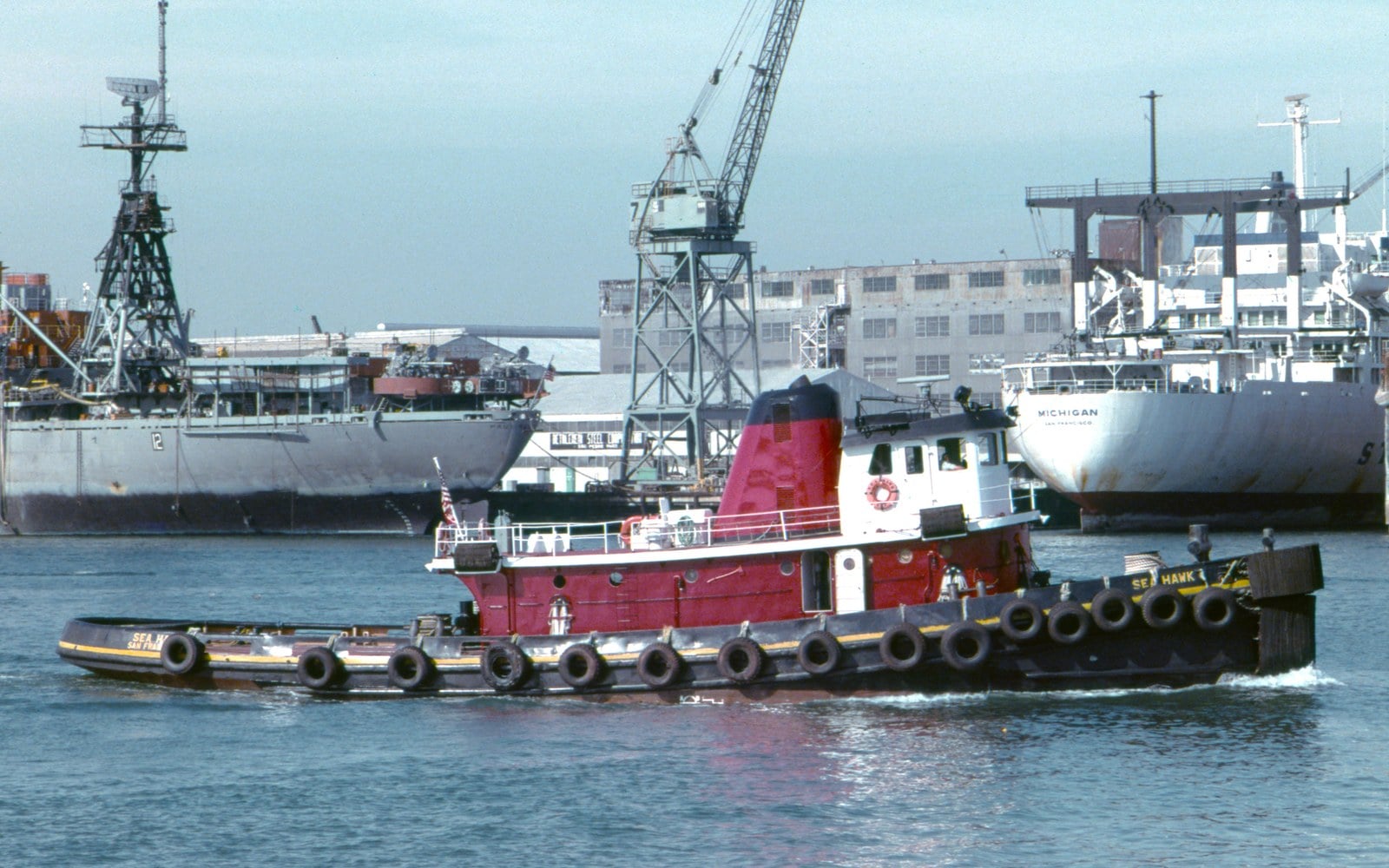
Curtin Maritime's first battery electric ship assist tug, Tuuli C, is on sea trials in Seattle. She is the first of eight electric tugs the company is building for the ports of Los Angeles and Long Beach, and is due in Southern California in December.
At a glance
| Topic | |
|---|---|
| Vessel | Tuuli C, ASD tractor tug |
| Owner | Curtin Maritime, operating as Curtin Harbor Services |
| Shipyard | Snow and Company, Seattle |
| Length and beam | 24.6 m by 12.9 m |
| Bollard pull | 55 tons, two Schottel L drives |
| Battery | 6 MWh, battery and electric drive by Arc |
| Fleet | First of eight |
| Investment | US$200 million in vessels and charging |
| Arrival | Southern California, December 2026 |
The tug
Tuuli C is a 24.6 metre ASD tractor tug with a 55 ton bollard pull from two Schottel L drives. Her 6 MWh battery and electric drive system come from Arc, and the battery room is protected by a Marioff HI FOG water mist system. Arc reported earlier this month that she had moved under her own power for the first time. Curtin says the sea trials will give it endurance figures under real operating conditions.
The tugs are being built at Snow and Company in Seattle, a yard in which Curtin holds a 50% stake. All eight will work in San Pedro Bay under the Curtin Harbor Services brand.
The charging plan
Curtin has invested US$200 million in the vessels and the infrastructure to charge them. Until a floating fast charging barge enters service in Los Angeles in 2027, Tuuli C will charge overnight from shore power. That split is common for early electric harbour craft: a slow shore connection gets the first vessel working, while the fast charging that a full fleet needs on a busy ship assist schedule comes later.
The tugs arrive as the two ports mark 20 years of the Clean Air Action Plan, which has made harbour craft one of its targets for zero emission operation.
Why it matters for ports
- A fleet of eight tugs with 6 MWh each is close to 50 MWh of battery that has to be recharged between jobs, a steady new demand at the waterfront.
- A floating charging barge is one answer where quay space and grid connections are tight, and could be repeated in other busy harbours.
- Battery tugs show that ship assist, one of the hardest duty cycles in a port, can move to electric power.
Eight tugs, 6 MWh each and a charging barge on the way: ship assist in San Pedro Bay is going electric.