The planner's port
Singapore is electrifying its port by rule and by design, and Europe can learn from how it sequenced the rules, the money and the plugs.
On 14 October 2026, at the SIBCON bunkering conference, the Maritime and Port Authority of Singapore (MPA) said that from 1 January 2027 it will pay up to S$250,000 per vessel towards the battery of a new electric harbour craft. The Early Adopter Scheme for Electric Harbour Craft runs for two years and is scaled to battery capacity and vessel size. It is the last step in a sequence that began in 2023, and the order of that sequence is the story.
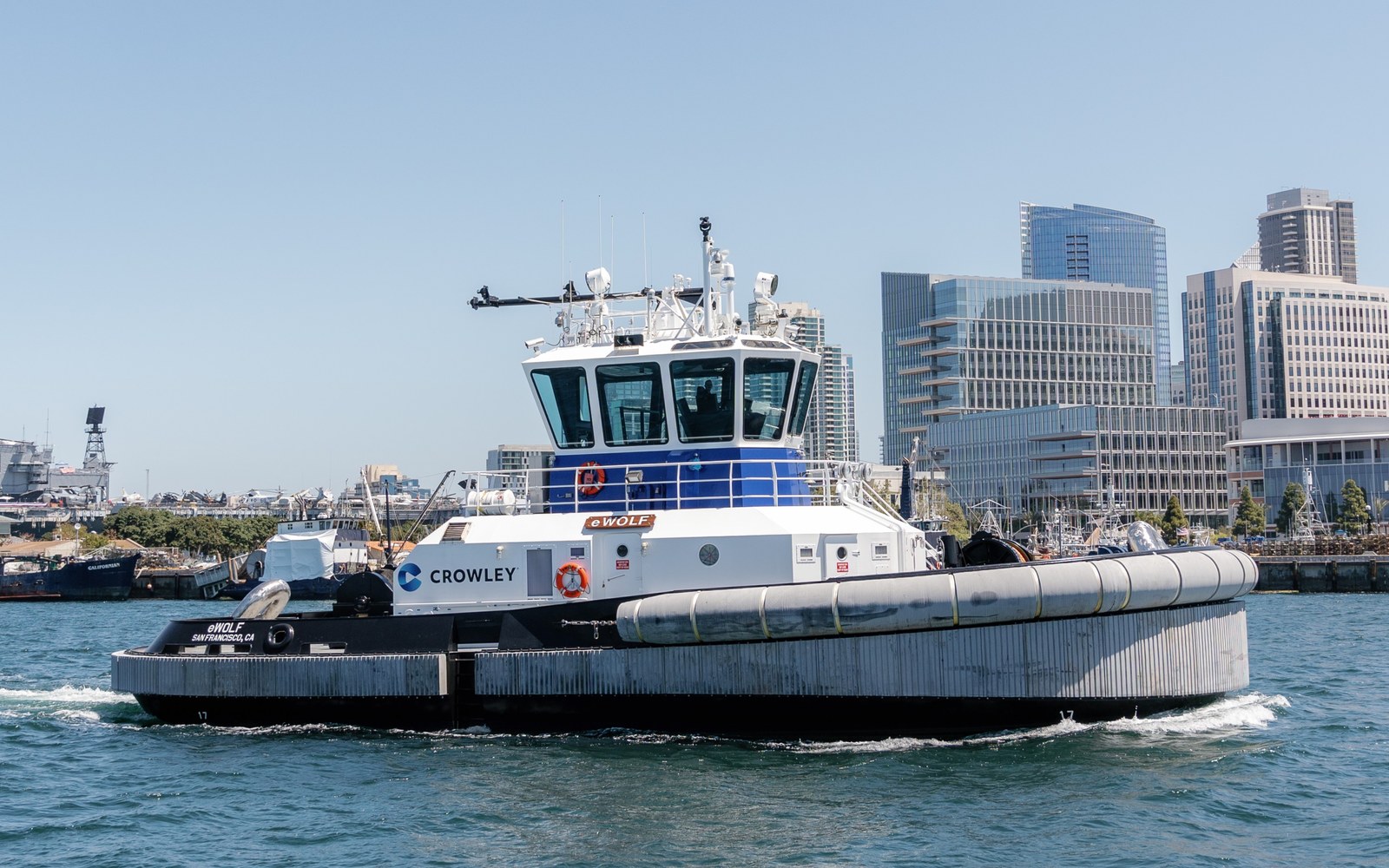
Singapore has more than 1,600 harbour craft, mostly diesel. From 2030, every new one in port waters must be fully electric, able to run on B100 biofuel, or compatible with net zero fuels such as hydrogen. Between the rule and the deadline the state has written a charging standard, piloted chargers, lined up lenders and offered cash. Europe took the other route. AFIR sets a date for shore power at large ports and leaves the grid, the tax bill and much of the rest to follow. Our guide to electric ferries and port charging covers the hardware both approaches depend on.
Rule first, then the plug
The Ministry of Transport set the 2030 requirement in 2023, alongside a goal of net zero for harbour craft by 2050. It added a carrot: port dues waived for five years on new harbour craft that are fully electric or run on low or zero carbon fuels. Harbour craft stay in service for more than 20 years, so a rule on new builds is the cheapest lever available.
Engineering came next. In July 2023 MPA asked industry for reference designs, starting with about 400 small craft of 20 to 40 gross tonnage. A call for charging proposals in August 2023 drew 12 bids from four consortia. On 8 April 2024 the first pilot charger opened at Marina South Pier: a 150 kW DC unit with a CCS2 connector that fills a battery of about 500 kWh in three hours, enough for roughly 50 nautical miles. The operator's own fleet was the guaranteed customer, and the data was to feed a national charging masterplan.
The standard followed the data. Technical Reference TR 136, published on 25 March 2025, covers chargers and battery swap systems for electric harbour craft. It borrows the Combined Charging System from road vehicles and aligns with IEC 61851 and IEC 62840, so a boatbuilder does not have to guess which plug the next pier will offer.
Then the money
Finance was invited early. In October 2023 MPA asked banks and insurers how to fund and cover electric craft, suggesting an aggregated fleet of 50 vessels as a starting portfolio and naming hull and machinery and protection and indemnity cover as gaps. Enterprise Singapore's green financing scheme shares up to 70% of loan risk, and DBS, OCBC and UOB have said they are interested in lending against electric craft.
Only then did the grant arrive. MPA frames it as a demand signal, meant to give builders and battery suppliers the confidence to invest in production. The charging network is being widened in step: a second charger at Marina South Pier in the coming months, four at Loyang Offshore Supply Base, and public chargers at Jurong Port and West Coast Pier in 2027. MPA will also study power capacity upgrades at key terminals. Marina South Pier now carries 1,092 solar panels producing up to 780,000 kWh a year, partly to supply those chargers.
The terminal does the same on land
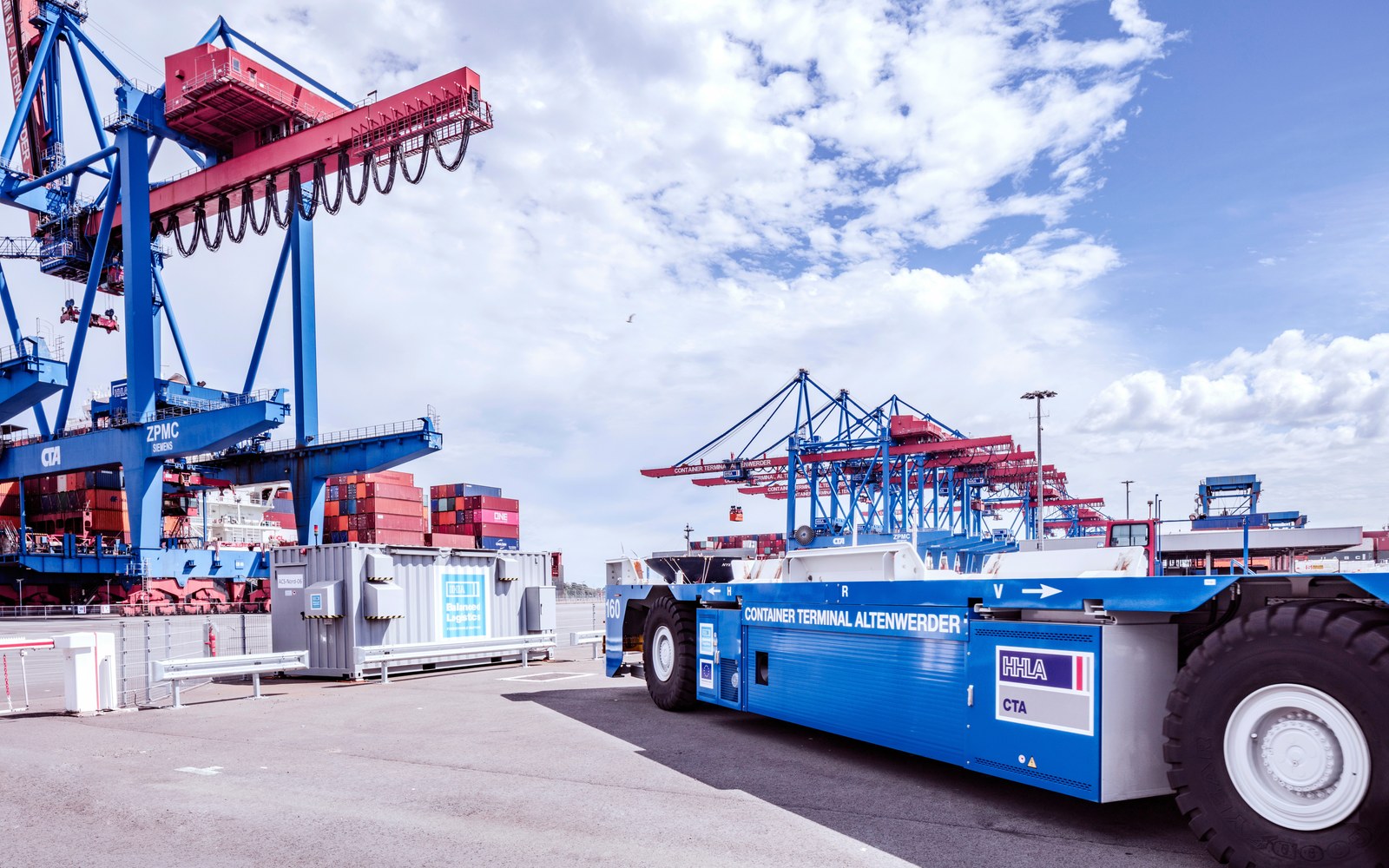
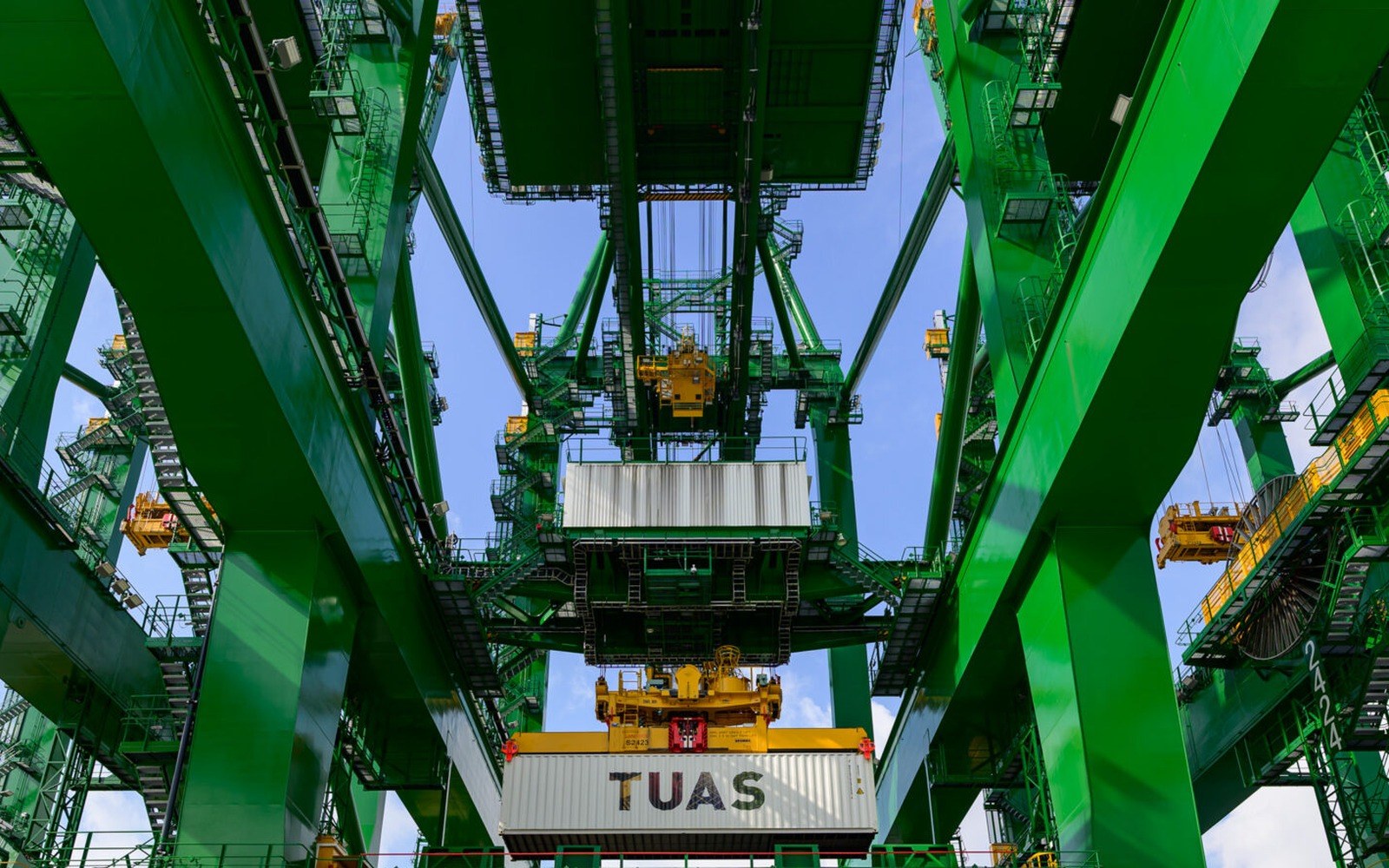
PSA Singapore has followed the same habit of piloting before scaling. In July 2022 it switched on Singapore's first battery energy storage system, 2 MW / 2 MWh, at Pasir Panjang Terminal under an S$8 million partnership with the Energy Market Authority, to shave demand peaks. At Tuas, the automated guided vehicles run on batteries; Durapower supplied the packs for 54 of them. A battery swap station for electric prime movers at Pasir Panjang was commissioned in 2024, and PSA then ordered 30 more battery electric prime movers.
The scale is still modest. PSA Singapore deployed 8 electric prime movers and hauliers in 2025, expects 60 in 2026, and still runs 240 LNG prime movers. But 80% of its cranes are already electric or hybrid, against a 90% target for 2030, and it expects grid electricity to account for about 60% of its direct and power emissions as electrification grows. Tuas is planned to handle up to 65 million TEU a year by the 2040s. A port of that size is, above all, an electricity customer.
| Measure | Singapore |
|---|---|
| Harbour craft in port waters | More than 1,600, mostly diesel |
| Rule on new harbour craft | Electric, B100 capable or net zero fuel compatible from 2030 |
| Port dues waiver | Five years for new electric or low carbon craft |
| First pilot charger | 150 kW DC, Marina South Pier, April 2024 |
| Charging standard | TR 136, March 2025 |
| Early adopter grant | Up to S$250,000 per vessel, from January 2027 |
| PSA battery storage | 2 MW / 2 MWh, Pasir Panjang, 2022 |
| Tuas planned capacity | Up to 65 million TEU a year by the 2040s |
| Shore power for large ships | None announced |
The case against copying
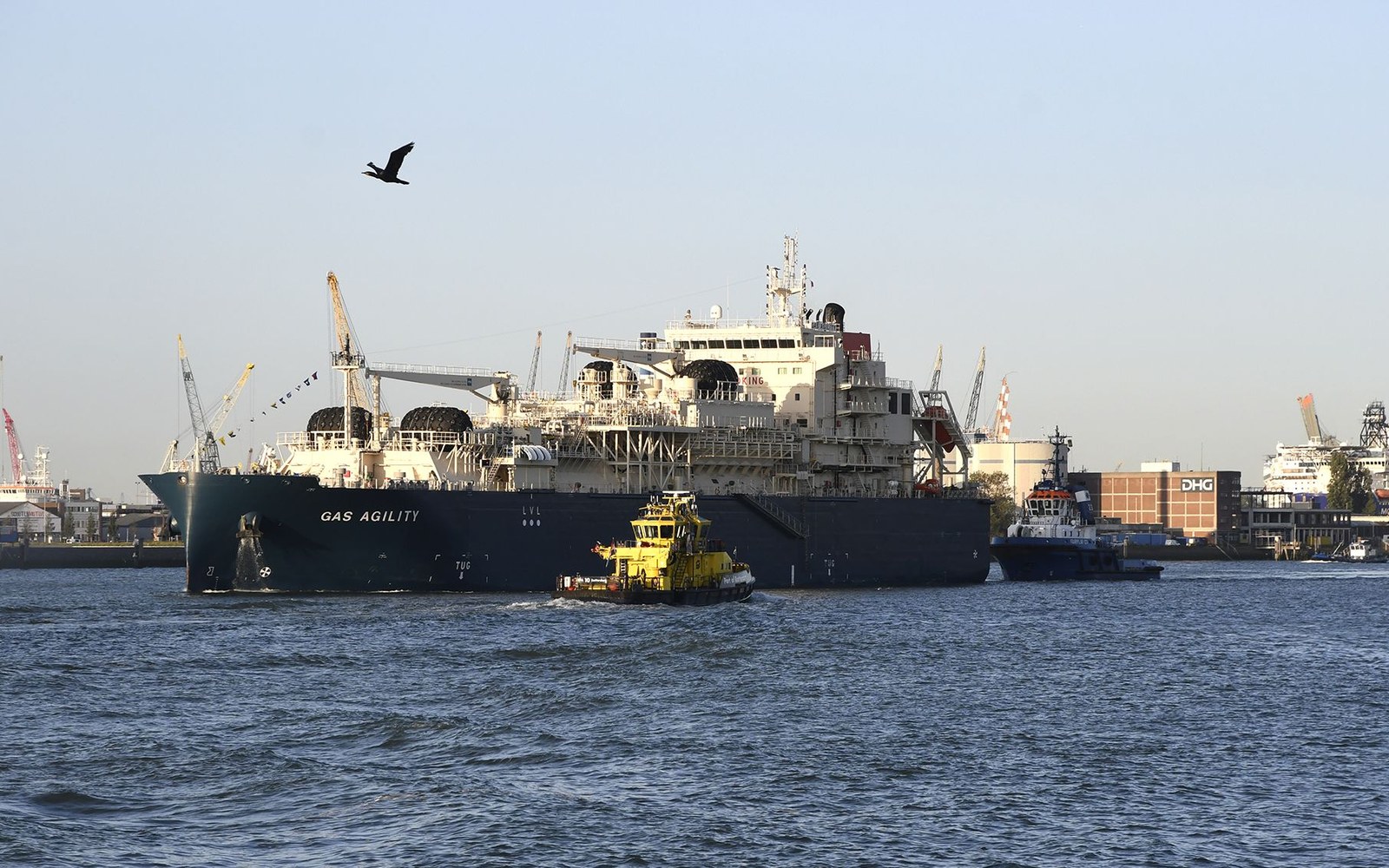
The strongest objection is scale. A 150 kW charger for a launch is not a berth for a cruise ship or a container ship, which draws megawatts. Neither MPA nor PSA has announced shore power for large ships in Singapore, and neither body's 2025 sustainability report mentions it. In February 2025 a Singapore cruise terminal hosted the country's first LNG bunkering of a cruise ship, carried out while passengers were moving. For big ships the city state sells fuel: 56.77 million tonnes of bunkers in 2025, of which 1.95 million tonnes were alternative fuels, with eight new LNG bunker licences awarded in July 2026.
The second objection is structure. Singapore has one port authority, one dominant terminal operator, one national grid and one government that can align a ministry, a regulator and a standards body in a single year. The EU has 27 Member States, hundreds of grid operators and energy tax rules that change only by unanimity. Sequencing is easier when one desk holds every lever.
The third is that the rule is softer than it looks. A new craft that can burn B100 satisfies it without a battery, and the grant is capped. Singapore has also not yet published how many electric craft are in service, so the pace of uptake remains unproven.
The judgement
All three points are fair, and none removes the lesson, which concerns order rather than size. Singapore wrote the rule, then gathered data from a pilot, then fixed the standard, then brought in lenders, then paid early buyers, and is now studying terminal power before the fleet arrives. Europe fixed the date and the obligation on ships, referenced IEC/IEEE 80005-1, and left grid connections and tax relief to be solved port by port. The result is a deadline that is clear and a supply chain that is not, as the grid connection queue at Europe's ports shows.
The European Commission's AFIR review, due by 31 December 2026, is the chance to borrow the sequence: grid capacity plans for each covered port, a tax position settled before the plug goes live, and money aimed at the first movers. Singapore, for its part, has yet to show it can apply the same discipline to the large ships that call at its own terminals. Both questions are on the agenda at DTF Malta 2027.
Europe set a date and hoped; Singapore set a date and then built the road to it.
The views expressed are the author's own. DTF Maritime News publishes opinion and analysis from people working on port electrification, alongside its news reporting.