Genevos and HELENUS: solid oxide fuel cells aim at cruise ship power and heat
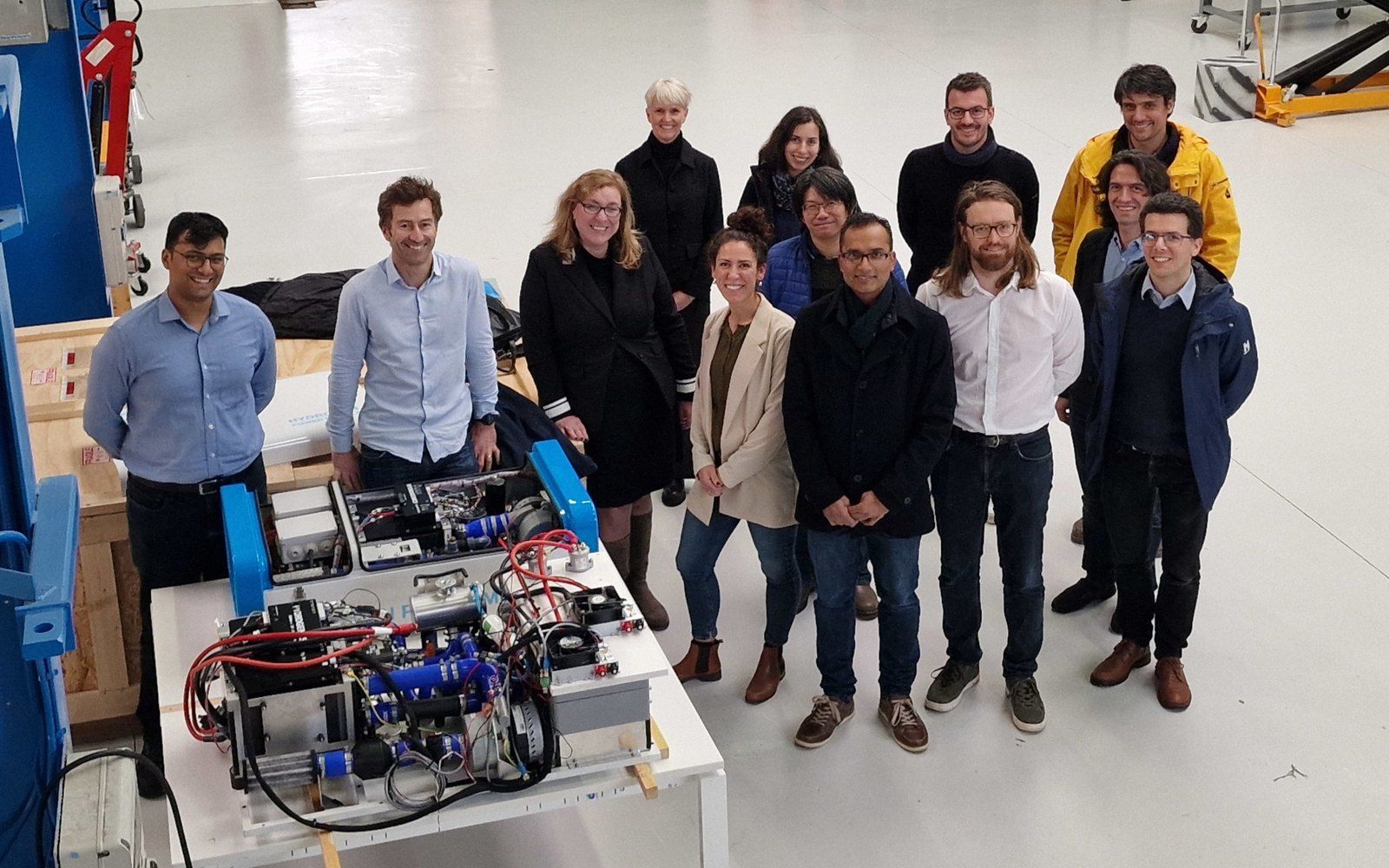
French fuel cell developer Genevos is building a modular solid oxide fuel cell (SOFC) power unit for cruise ships within HELENUS, an EU funded project led by the German Aerospace Center (DLR). The project runs from July 2022 to June 2027 and aims to demonstrate a 200 kW system at sea as a blueprint for plants of up to 20 MW.
Genevos joined the consortium in February 2026 and will be at the Zero Emissions Cruising Conference in Bergen on 17 and 18 November. DTF's guide to alternative marine fuels sets out the fuels these systems run on.
At a glance
| Topic | |
|---|---|
| Project | HELENUS, High Efficiency Low Emission Nautical Solid Oxide Fuel Cell |
| Funding | Horizon Europe, grant 101056784; €15 million project, according to Genevos |
| Timeline | July 2022 to June 2027 |
| Demonstrator | 200 kW SOFC system on DLR's research vessel MODULARIS |
| Building block | Genevos XPM 100, a 100 kW module |
| Target ship | A large MSC World Europa class cruise ship |
| Fuels | LNG, bio LNG, biomethane, methanol and e fuels |
Power and heat from one unit
A cruise ship needs electricity and heat around the clock, for propulsion at sea and for hotel loads in port. Genevos says its SOFC reaches more than 60% net electrical efficiency and more than 85% overall efficiency when its high temperature waste heat replaces fuel fired boilers.
The system is designed to run on several fuels, from LNG and biomethane to methanol and future e fuels, and Genevos says it can be adapted to ammonia. A battery absorbs the load peaks of manoeuvring that fuel cells handle poorly.
Who is in the consortium
Alongside DLR and Genevos, HELENUS brings together Wärtsilä, Chantiers de l'Atlantique, MSC Cruises, Bureau Veritas Marine and Offshore, Royal IHC, TU Delft, BALance Technology Consulting and IFEU. The yard and the cruise line are there to take the system from demonstration to commercial ships.
Genevos aims to reach technology readiness level 7, a prototype proven in an operational setting, by the end of the project.
What it means at the quay
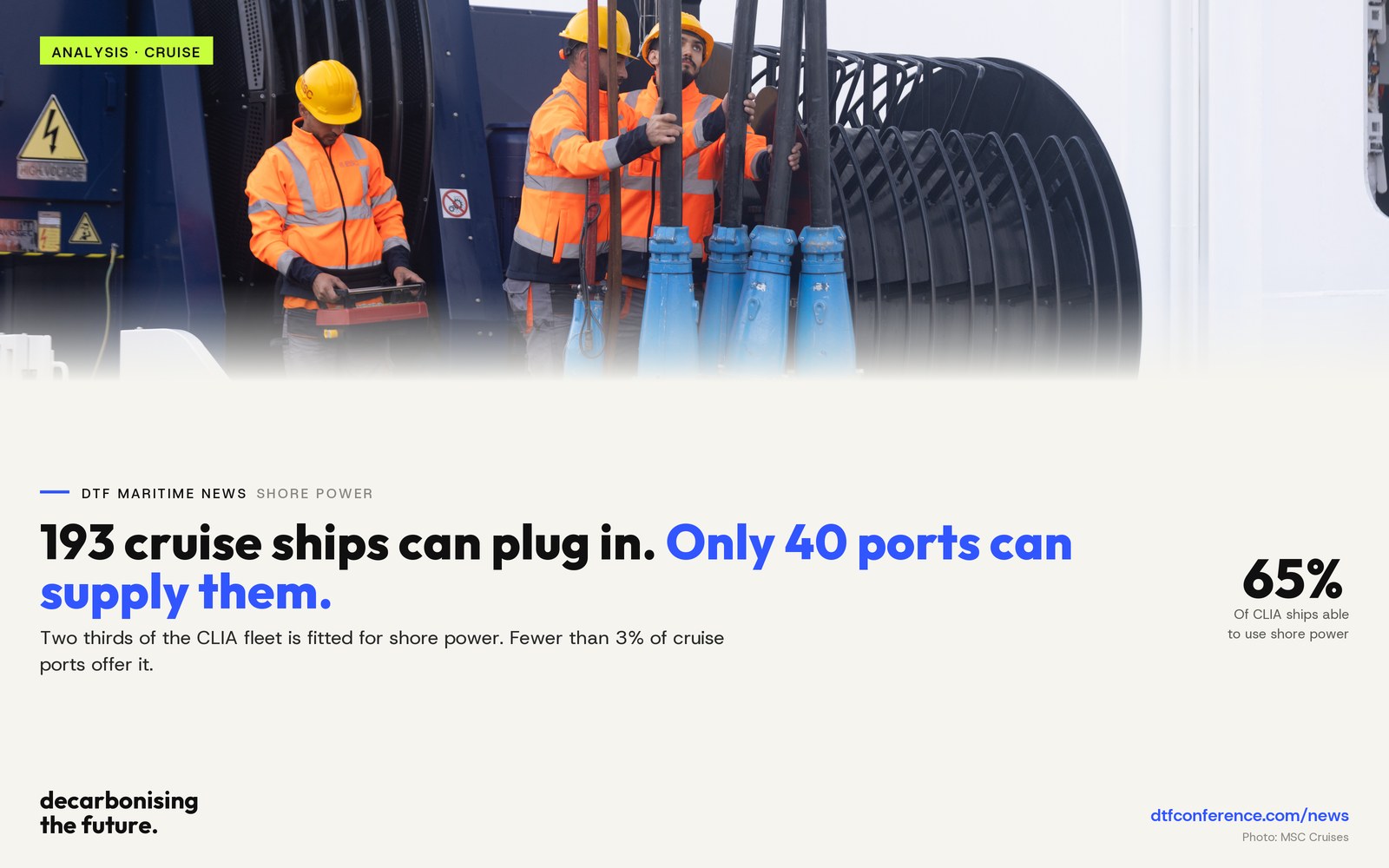
A fuel cell running on fossil LNG still emits CO2. Under FuelEU Maritime, a ship can skip shore power at berth only if its own technology releases no CO2, methane, nitrous oxide, sulphur or nitrogen oxides or particulates. From 1 January 2030, container and passenger ships above 5,000 GT must connect to shore power at TEN-T ports unless they meet that test.
For ports, the likely picture is both: cleaner power and heat on board at sea, and a cable at the quay for the hours alongside.
Why it matters for ports
- Cruise lines investing in onboard fuel cells will still need shore power at berth to meet the 2030 rules on LNG or biomethane.
- Fuel flexible ships will look for bunkering of bio LNG, methanol and e fuels at the same ports.
DTF reported on Genevos's earlier work in hydrogen fuel cells for inland and coastal vessels, and on the shore power gap in cruise lines and shore power. Cruise ship energy will be on the agenda at DTF Malta 2027.
Fuel cells may clean up the ship at sea; at the quay, the cable still decides compliance.