Rijeka brings container ship shore power to the northern Adriatic with an €11.49 million project
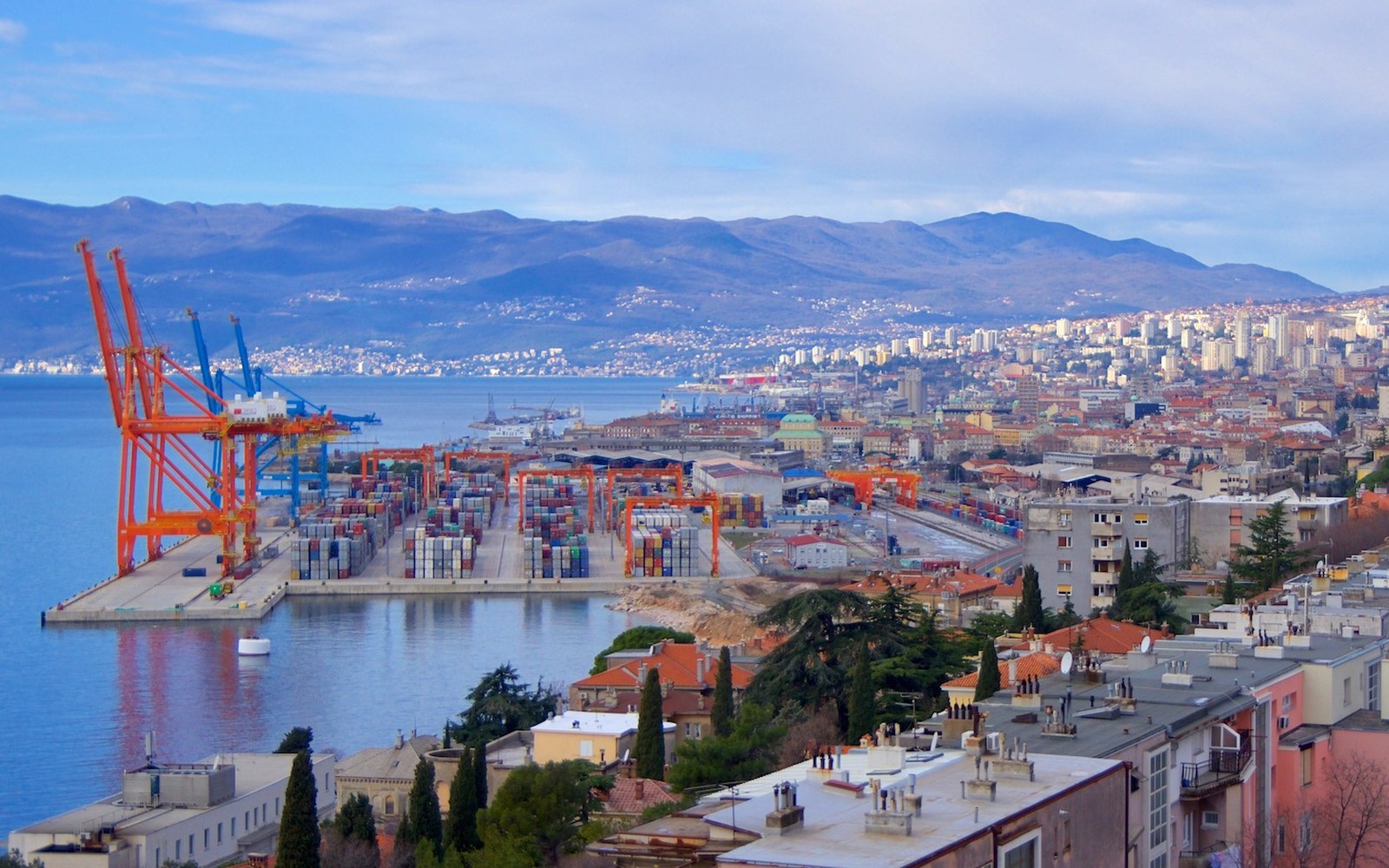
The Port of Rijeka Authority has completed procurement for shore power at both of its container terminals. Croatian engineering group Končar is the preferred bidder for the €11.49 million project, which will make Rijeka the first port in the northern Adriatic to plug in container ships at berth.
At a glance
| Topic | |
|---|---|
| Port | Rijeka, Croatia |
| Contractor | Končar, preferred bidder |
| Value | €11.49 million |
| Adriatic Gateway Terminal (AGCT), Brajdica | 10 MW |
| Rijeka Gateway, Zagreb Coast | 7.5 MW |
| Ships at once | Two, one at each terminal |
| Build time | About two years |
| Funding | Co financed by the EU's Connecting Europe Facility |
Two terminals, one system
The installation covers the port's two container terminals. The Adriatic Gateway Terminal at Brajdica will get a 10 MW supply and Rijeka Gateway at Zagreb Coast 7.5 MW, so one container ship can connect at each terminal at the same time. Ships at berth will be able to switch off their auxiliary engines, cutting emissions and noise in a port that sits close to the city centre.
Installation is expected to take about two years, which puts the system in service ahead of the 1 January 2030 date from which container and passenger ships must use shore power at designated EU ports.
A port on three corridors
Rijeka is Croatia's largest port and sits on three EU core network corridors: the Mediterranean, the Baltic to Adriatic, and the Western Balkans to Eastern Mediterranean. Its container business has grown with the opening of Rijeka Gateway at Zagreb Coast, which has bought renewable electricity for its operations since 2024, and with deepening and new ship to shore cranes at Brajdica so the terminal can handle the largest container ships calling in the Adriatic.
The shore power project is co financed by the EU through the Connecting Europe Facility. Elsewhere in the Mediterranean, ports are taking different routes to the same goal: Gijón has handed its container berth to a private operator on a 30 year concession, while Barcelona started with the grid.
Why it matters for ports
- Container ship shore power is still rare in the Mediterranean. Rijeka joins a small group of ports that will offer it at more than one terminal.
- A combined 17.5 MW at two terminals is a large new load for the local grid, and a reminder that the grid connection is as important as the plug.
- Because the terminals are run by different operators, the port authority is building one system that serves both.
Mediterranean ports and their shore power plans will be on the agenda at DTF PortFocus Barcelona in February 2027.
Two terminals, 17.5 MW and two years to build: the northern Adriatic gets its first container ship plugs.