Europe's ports back Parliament's changes to the shipping ETS, but say cargo diversion is not yet fixed for every port
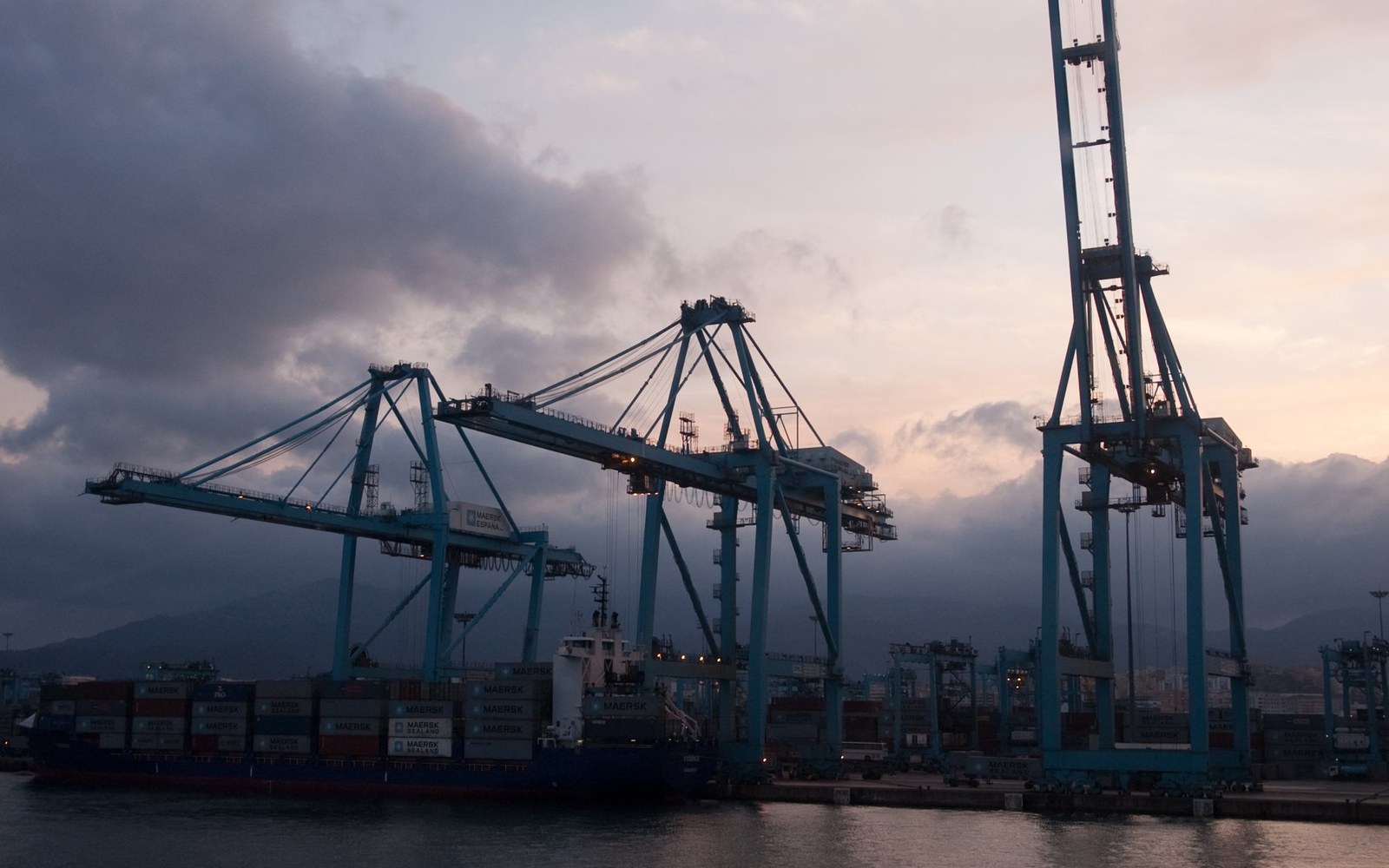
The European Sea Ports Organisation (ESPO) has welcomed the European Parliament's first moves in the review of the EU Emissions Trading System for shipping, but says more work is needed before the rules stop pushing cargo away from European ports. In a statement on 26 November 2026, ESPO backed the outcome of the vote in the Parliament's Transport and Tourism (TRAN) Committee and the proposals now before the Environment (ENVI) Committee.
At a glance
| Topic | |
|---|---|
| Who | European Sea Ports Organisation (ESPO) |
| What | Review of the EU ETS as applied to maritime transport |
| Parliament so far | TRAN amendment adopted 23 November 2026; ENVI vote to come |
| ESPO welcomes | Wider criteria for neighbouring non EU ports, including a 300 nautical mile criterion linked to port capacity |
| ESPO asks for | A transhipment measure, port neutrality, no extension to smaller ships for now, ETS revenues earmarked for ports |
| Already in force | Four listed non EU transhipment ports: Tanger Med, East Port Said, Damietta and Abu Qir (last two apply from 10 December 2026) |
What Parliament has done so far
On 23 November the TRAN Committee adopted an amendment that combines a voyage distance criterion with fixed ETS reductions for different categories of port call. The text is now before ENVI, the lead committee, ahead of a Parliament position and talks with the Council.
ESPO welcomes the Parliament's recognition that the current system risks diverting cargo to ports outside the EU and distorting competition. It singles out the wider set of criteria for identifying neighbouring non EU ports that could be used to sidestep the ETS, including a 300 nautical mile criterion based on port capacity, which it says gives a clearer and more stable framework against carbon leakage and lost economic activity.
What ESPO still wants
- A transhipment measure. ESPO says a specific, complementary measure for transhipment traffic is essential. That is still under discussion.
- Port neutrality. Any anti circumvention mechanism must keep cargo in Europe without moving activity between EU ports, protecting both large transhipment hubs and ports serving their own hinterland. ESPO wants a final framework with no winners and losers inside the EU, and says the options on the table contain elements of a solution.
- No extension to smaller ships for now. ESPO calls it premature while several Member States are seeking delays or changes to ETS2.
- An impact check first. Cargo shifting from sea to road is already being reported, ESPO says, so the combined effect of the current EU ETS, the future IMO framework and ETS2 should be assessed before new obligations are added.
- ETS money spent in European ports. Revenues from the maritime ETS should stay in Europe and fund the production, availability and supply of clean fuels at European ports, with a larger share earmarked for the sector and for ports. Support for fuel supply outside the EU should come through Global Gateway, not the maritime budget.
The ports already on the list
The diversion problem is not theoretical in Brussels. Since 2023 the Commission has kept a list of neighbouring container transhipment ports: ports less than 300 nautical miles from an EU port, where more than 65% of container traffic is transhipment and no equivalent carbon measure applies. A call at one of them does not count as the start or end of a voyage, so it cannot shrink the emissions charged on the EU leg.
Tanger Med in Morocco and East Port Said in Egypt were already listed. Implementing Regulation (EU) 2026/2562, published on 20 November, adds the Egyptian ports of Damietta and Abu Qir from 10 December 2026, with a parallel change for FuelEU Maritime.
Not everyone agrees on the fix
The TRAN approach divides the industry. A group led by FEPORT, the European private terminal operators, together with transport workers, shippers, forwarders, ship agents, pilots and tug owners, argues that fixed reductions create a threshold effect: unloading a few more transhipment boxes could move a ship into a much cheaper ETS category and encourage lines to concentrate calls in fewer ports. They want relief proportional to the share of containers unloaded for onward shipment outside the EU, applied to container ships from 5,000 TEU. Earlier in November, ESPO, FEPORT, the World Shipping Council and Assarmatori jointly called for a stronger transhipment incentive.
Why it matters for ports
- The ETS already charges for emissions ships produce at berth in EU ports. Earmarking ETS revenues for clean energy supply in ports would give shore power and alternative fuel projects a funding stream tied directly to those emissions.
- A port neutral anti diversion rule matters most to Mediterranean transhipment hubs, which compete with Tanger Med and the Egyptian ports on the same routes.
- How Parliament and the Council settle the transhipment question will shape where container lines call, and therefore where demand for berth side power builds up.
For more on how EU money reaches the quay, read EU money for shore power works. Is there enough of it, in time? and DTF's shore power guide. Transhipment, ETS and Mediterranean port competition will be on the agenda at DTF PortFocus Barcelona in February 2027.
Parliament has started to fix the leak. Europe's ports want to make sure the repair does not pick winners among them.