Styrsöbolaget orders three 25 knot electric catamarans from GONDAN for Gothenburg's archipelago
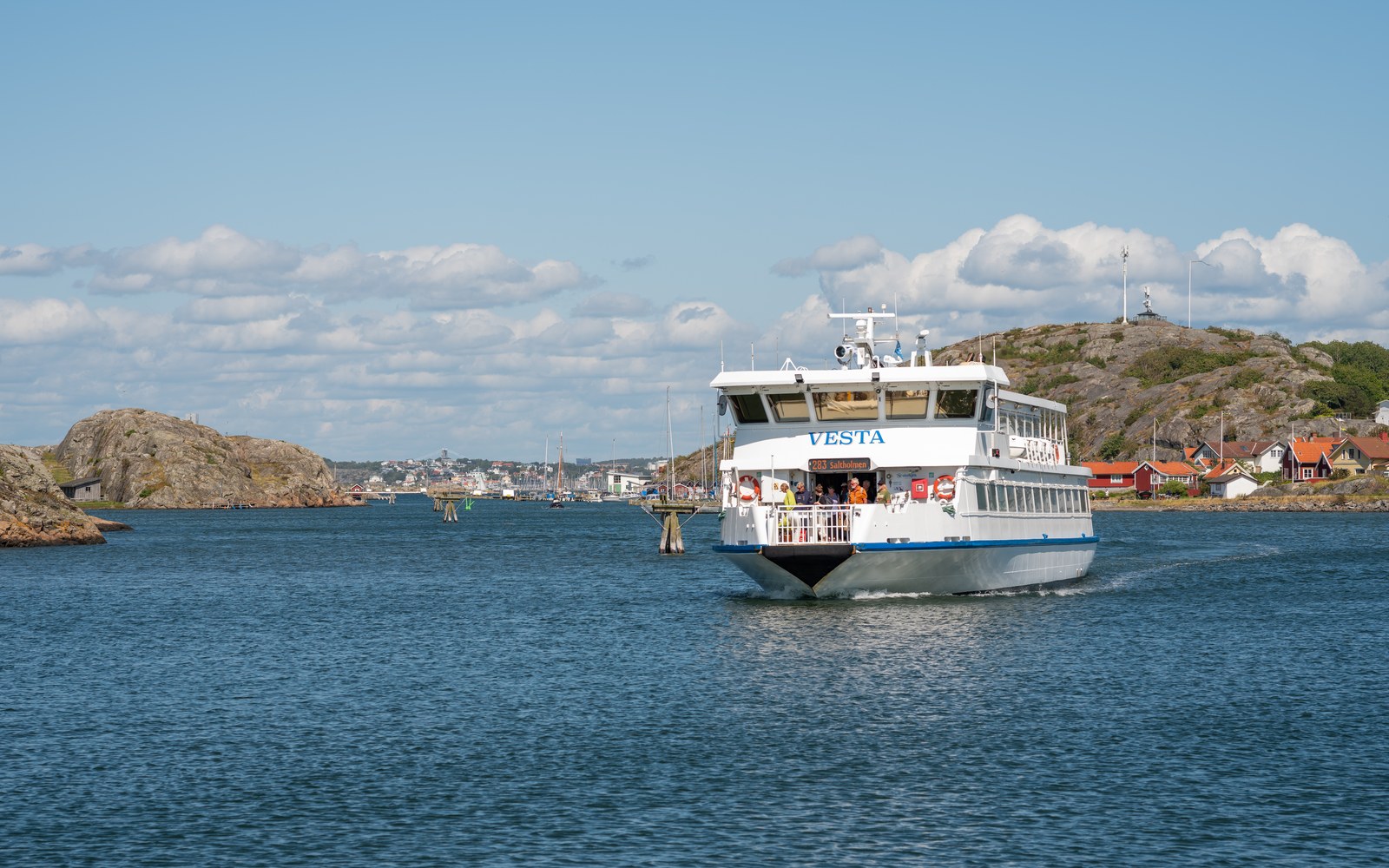
Swedish ferry operator Styrsöbolaget signed a contract on 18 November 2026 with Spain's GONDAN Shipbuilders for three fully electric fast catamarans for Gothenburg's southern archipelago. The first is due in September 2028, ready for a new 15 year public transport contract with the regional transit authority Västtrafik.
Each boat will carry 197 passengers at up to 25 knots on battery power alone. How piers and ports charge boats like these is covered in our guide to electric ferries and port charging.
At a glance
| Topic | |
|---|---|
| Operator | Styrsöbolaget, part of Transdev Sverige |
| Shipyard | GONDAN Shipbuilders, Spain |
| Vessels | Three fully electric passenger catamarans, lead hull C520 |
| Size | 35 metres long, 8.9 metres wide, 1.8 metres maximum draught |
| Capacity | 197 passengers (160 seated) and 30 bicycles |
| Speed | 23 to 25 knots |
| Delivery | First in September 2028, the other two about three to four months later |
| Public contract | 15 years for Västtrafik from December 2028 |
| Battery capacity | Not reported |
| Contract value | Not reported |
Built to run a full day on batteries
Styrsöbolaget says the battery capacity is sized so that each vessel can run its full Västtrafik service on electric propulsion alone. GONDAN's in house technical office sized the battery systems and defined the charging requirements on shore. Neither company has disclosed the battery capacity or the contract value.
The hulls are carbon fibre composite, built at GONDAN's composite facilities in Spain. On a fast electric craft a light hull matters: every tonne saved cuts the energy each crossing needs, and with it the size of the battery and the charger.
A new public contract from December 2028
Västtrafik awarded Styrsöbolaget the southern archipelago traffic at the end of October, for fifteen years from December 2028. About 2.3 million passengers a year travel on these boats. With the first catamaran arriving in September 2028 and the other two following three to four months later, the electric fleet arrives as the new contract begins.
GONDAN has built electric catamarans before: ten 40 metre fully electric catamarans for Transtejo in Lisbon.
Fast electric boats join the timetable
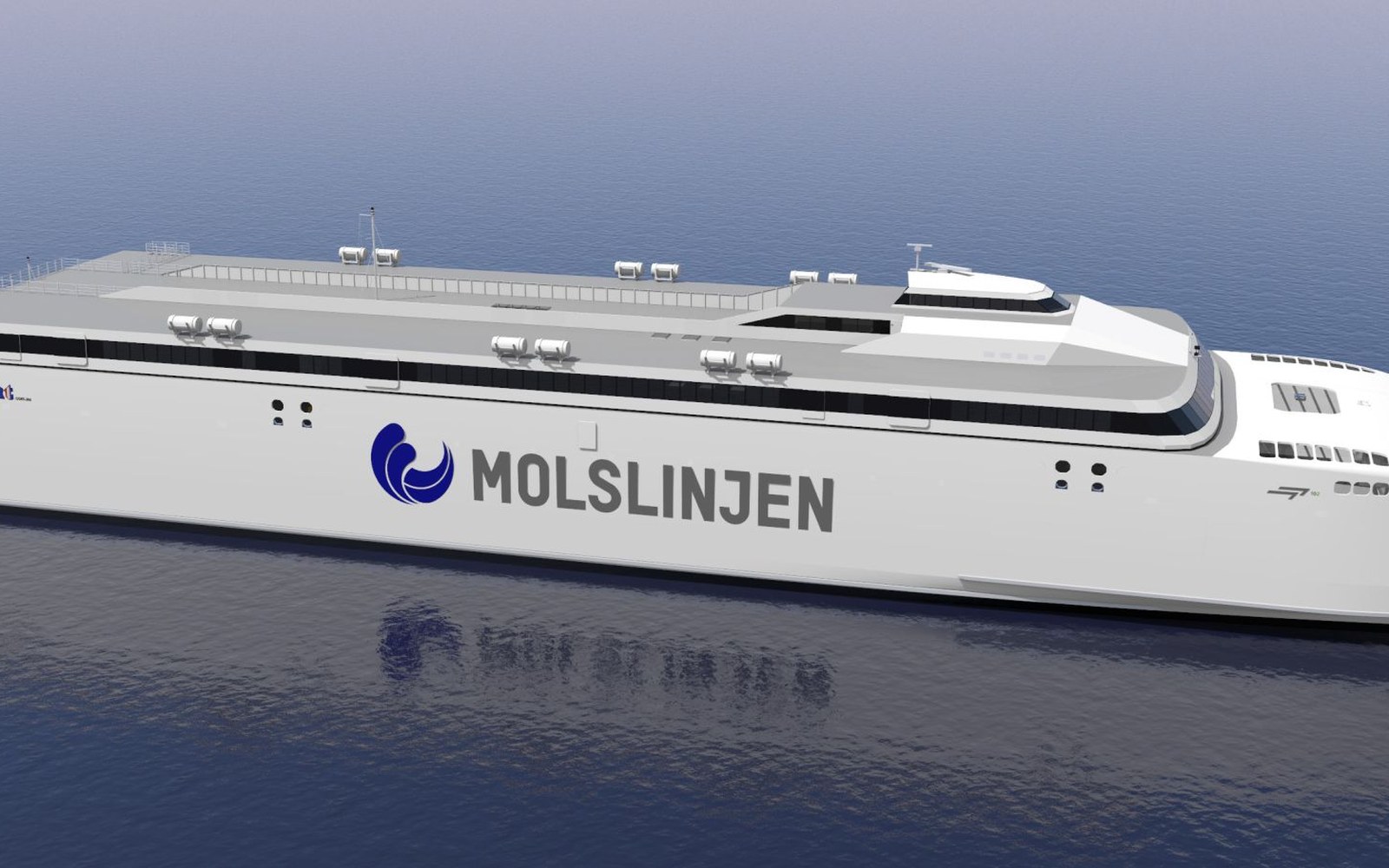
Fast passenger craft are among the hardest vessels to electrify, because energy demand climbs steeply with speed. Gothenburg's order puts 25 knot battery boats into a daily public transport timetable, alongside larger fast ferries such as Molslinjen's three, which will carry 165 MWh of AYK Energy batteries, and smaller urban craft such as the Hyke shuttle trialled in Fredrikstad.
Why it matters for ports
- Charging at the pier: the operator and yard have defined the charging requirements, but the charging sites, power levels and supplier are not reported. Short turnarounds at archipelago piers make this the critical design choice.
- Grid lead times: a September 2028 delivery leaves about 22 months to secure grid connections and build chargers.
- Public tenders drive the switch: the electric fleet follows directly from a 15 year public contract, the route many cities and regions now use to electrify ferries.
Port authorities planning ferry charging can meet operators and suppliers at DTF Malta 2027, 12 and 13 October 2027 in Valletta.
Three boats, 197 seats each and 25 knots on batteries: Gothenburg's archipelago goes electric from 2028.