ShoreLink launches TankerLink to plug tankers into shore power at up to 13 MVA
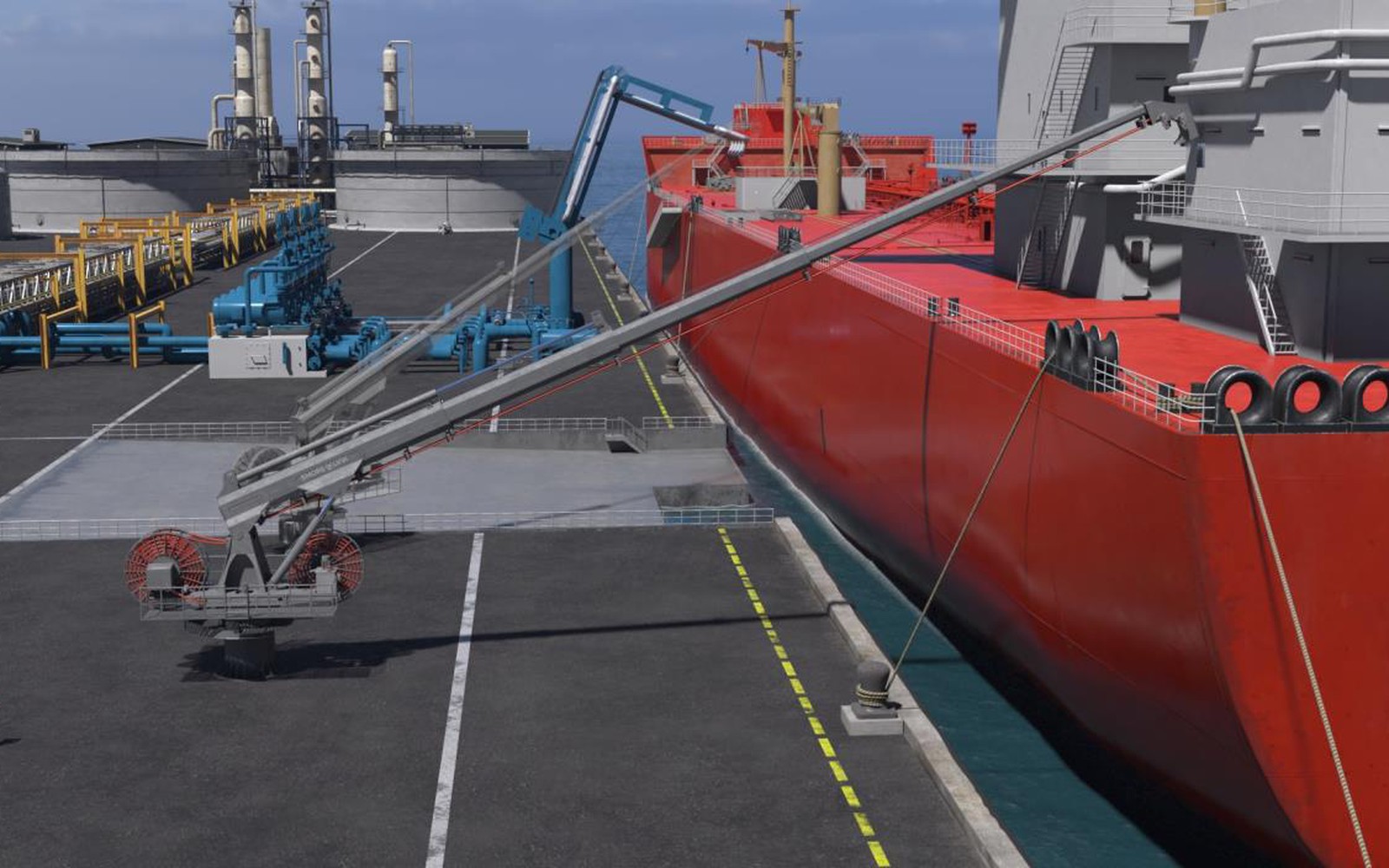
ShoreLink, the Estonian maker of shore power cable management systems, launched TankerLink on 20 November 2026: a product line built to connect all types of tankers to shore power, at up to 13 MVA per ship. The company says its first tanker projects in Europe and South America are already under way.
At a glance
| Topic | |
|---|---|
| Company | ShoreLink, designed and built in Estonia, systems deployed in 18 countries |
| Product | TankerLink: two cable management systems, Reach and LongLine |
| Power | Up to 12 MVA (Reach) and 13 MVA (LongLine) |
| Voltage | 400, 440 and 690 V low voltage; 6.6 kV and 11 kV medium voltage; 50 or 60 Hz |
| Working range | Up to 40 m (Reach) and 55 m (LongLine) |
| Standards | IEC/IEEE 80005 and OCIMF guidelines |
| First projects | Europe and South America; ports and customers not reported |
Two ways to reach a tanker
TankerLink Reach is a telescopic unit that connects at the stern or midship. Its boom rotates up to 220 degrees and the largest version works at up to 40 m. It is fully radio controlled and has active height compensation to follow the ship as it rises and falls with loading and tide. Connection and disconnection take minutes.
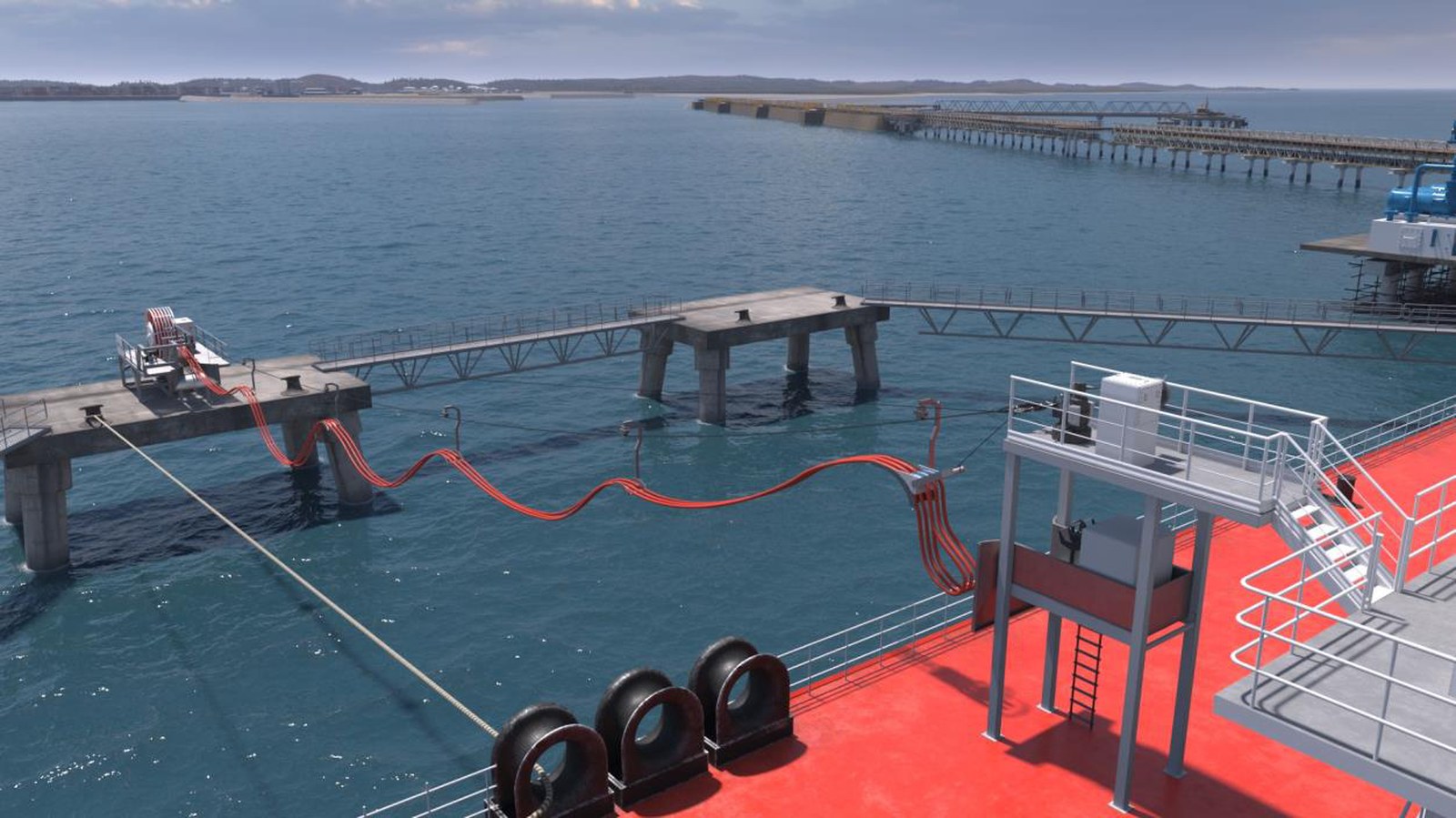
TankerLink LongLine is a highline cableway for longer distances. A tensioned support line carries the connector out to the stern, keeping the equipment outside the hazardous ATEX zones around cargo operations. It works at up to 55 m, carries three power cables with standard plugs and sockets, and has a quick release hook for emergency departure. ShoreLink pitches it for FSRUs and other ships on long stays.
The ships the rules leave out
Europe's shore power requirement from 2030 covers container and passenger ships of 5,000 GT and above. Tankers are not included. ShoreLink's own figures put tanker emissions at berth in EEA ports at 2.72 million tonnes of CO2 in 2025, almost a third of all ship CO2 at berth and about 1.6 times the figure for container ships. Tankers make up 33.8% of global merchant fleet capacity, the company says.
Tankers are harder to plug in than ferries or cruise ships. Connections must work around cargo manifolds, gas hazard zones and large changes in freeboard during loading and discharge, which is why the two systems are built around reach, height compensation and fast release.
ShoreLink already supplies cruise and ferry ports. DTF reported on its compact cruise system in daily service and on Norröna plugging in at Seyðisfjörður.
Why it matters for ports
- Tanker and energy terminals are outside the 2030 mandate, but they account for almost a third of ship CO2 at berth in Europe by ShoreLink's count.
- Ready made connection systems for hazardous areas remove one of the practical reasons terminals give for not offering shore power to tankers.
- At up to 13 MVA per ship, tanker berths become a grid planning question for ports, alongside cruise and container berths.
Shore power for every ship type is on the agenda at DTF Malta 2027, 12 and 13 October 2027 in Valletta.
The mandate stops at container and passenger ships. ShoreLink is betting tanker berths will plug in anyway.