DNV counts 364 alternative fuel ship orders in 2026 as port bunkering lags
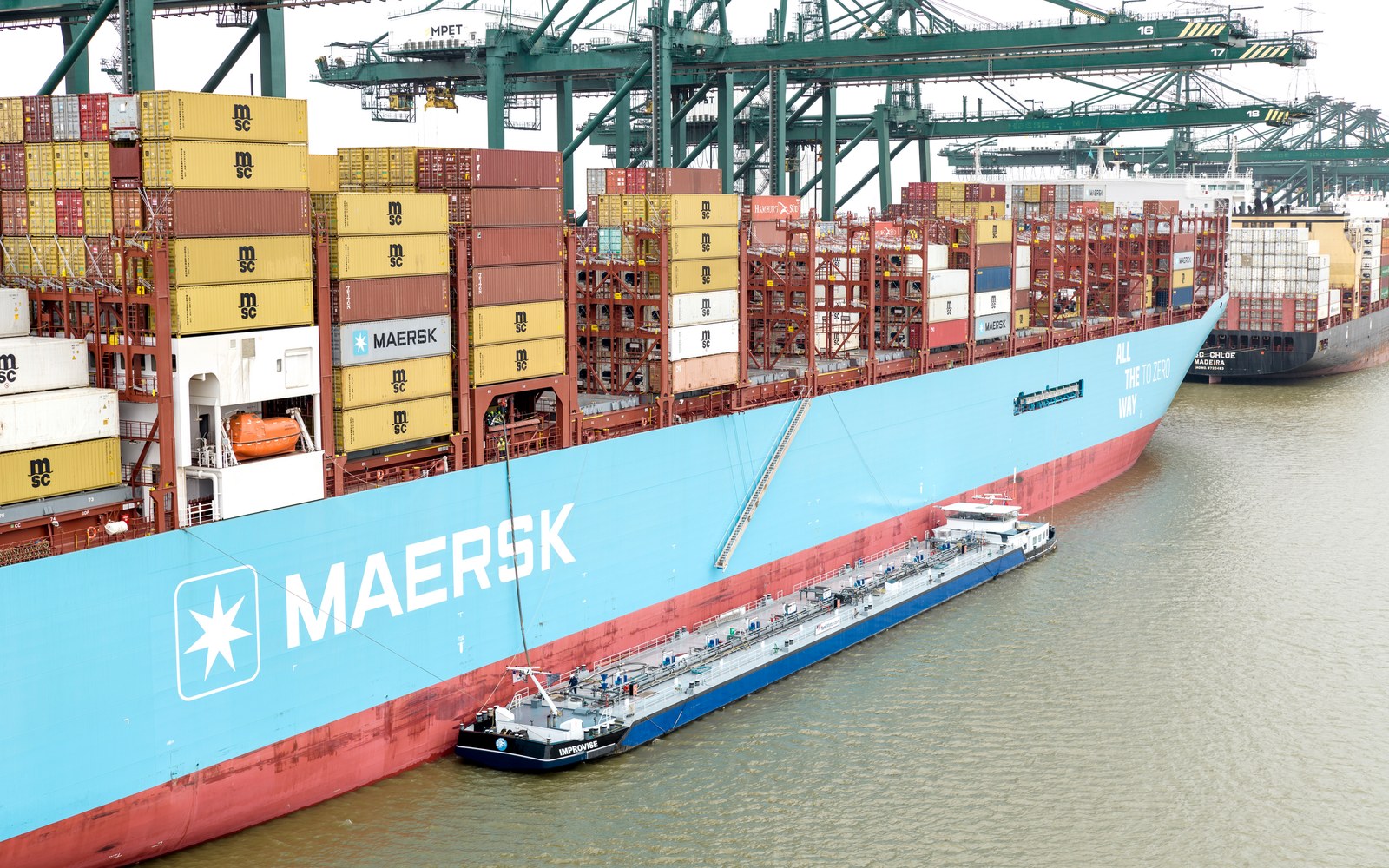
Shipowners ordered 53 alternative fuel vessels in October 2026, taking the total for the first ten months of the year to 364, according to DNV's Alternative Fuels Insight data. That is 57% more than in the same period of 2025. In the same week, Lloyd's Register (LR) published a ports report finding that fuel supply at the quayside is not keeping pace with the ships now on order.
The gap falls on the ports these ships will call at. Only 25 ports worldwide actively offer methanol bunkering, and ammonia has been bunkered commercially at just one. Our guide to alternative marine fuels and bunkering sets out how each fuel reaches a ship.
At a glance
| Topic | |
|---|---|
| Orders, October 2026 | 53 alternative fuel vessels (DNV) |
| Orders, January to October 2026 | 364, up 57% on the same period of 2025 |
| October by fuel | 30 LNG, 19 LPG, 4 ammonia |
| LNG orders, 2026 to date | 230, of which 134 container ships and 75 car carriers |
| On order (LR) | 385 methanol capable and 45 ammonia capable vessels |
| LNG bunkering | Available at 222 ports |
| Methanol bunkering | Actively offered at 25 ports |
| Ammonia bunkering | One commercial operation, Ulsan, April 2026 |
LNG carries the order book
LNG remains the leading choice. DNV counted 30 LNG fuelled orders in October, 18 container ships and 12 car carriers, alongside 19 LPG carriers and four ammonia fuelled car carriers. The third quarter brought 168 orders, the highest quarterly total in two years, with 69 in September alone.
Across the year, LNG accounts for 230 of the 364 orders. Container ships (134) and car carriers (75) make up about nine in ten of them. Jason Stefanatos, Global Decarbonization Director at DNV Maritime, pointed to the maturity of LNG bunkering infrastructure and the option of moving later to lower carbon versions of the fuel as reasons owners keep choosing it.
Methanol and ammonia ships, few fuel stops
LR's report, Fuel for Thought: Ports, published on 2 November 2026, counts 385 methanol capable and 45 ammonia capable vessels on order. Citing Clarksons Research, it puts the wider alternative fuel capable orderbook at 1,942 vessels in January 2026, or 47% of global orderbook tonnage.
Supply is far thinner. LNG bunkering is available at 222 ports, methanol is actively offered at 25, and the only commercial ammonia bunkering so far took place at Ulsan, South Korea, in April 2026. Drop in biofuels reach more ports: LR's FOBAS data shows deliveries at 90 ports over the past 12 months, with the 13 leading ports handling 77.5% of quantities and Singapore alone more than a quarter.
What LR recommends
Kamran Ul Haq, Senior Vice President of LR Ports Advisory, said the fleet is growing faster than the infrastructure behind it and that ordering a vessel does not guarantee fuel at the ports it serves. The report sets out steps for both sides of the quay:
- Owners should assess fuel availability along their actual trade routes and base newbuild and conversion decisions on the ports their ships will use.
- Ports should invest in line with credible demand rather than prepare for every fuel, using named vessel programmes and green shipping corridors to reduce infrastructure risk.
- Ports should build safety frameworks, licensing, emergency preparedness and workforce skills early, with berth specific risk assessments and trained personnel as the base for alternative fuel operations.
Why it matters for ports
Bunkering is only part of the port side. A dual fuel container ship still runs its auxiliary engines at berth unless it can plug in. Under FuelEU Maritime, container and passenger ships at berth in TEN-T ports covered by AFIR must connect to shore power from 2030, and AFIR requires those ports to supply it. Container ships are the largest group in this year's LNG orders, so many of these newbuilds will enter service into that regime.
That puts several demands on the same quay: a bunkering zone with its own safety distances and permits, a high voltage connection with grid capacity behind it, and trained crews to run both. Ports that plan fuel supply and berth electrification together will be better placed to serve these ships when they arrive. Ports from the Gulf to California are already setting electrification targets, as our reports on DP World and AD Ports' electrification plans and the Port of Los Angeles 2025 emissions inventory show.
Port readiness for new fuels and shore power will be on the agenda at DTF Malta 2027, where port authorities, shipowners and utilities meet to compare plans.
The ships are on order. The fuel, the rules and the plug at the berth now have to catch up.


